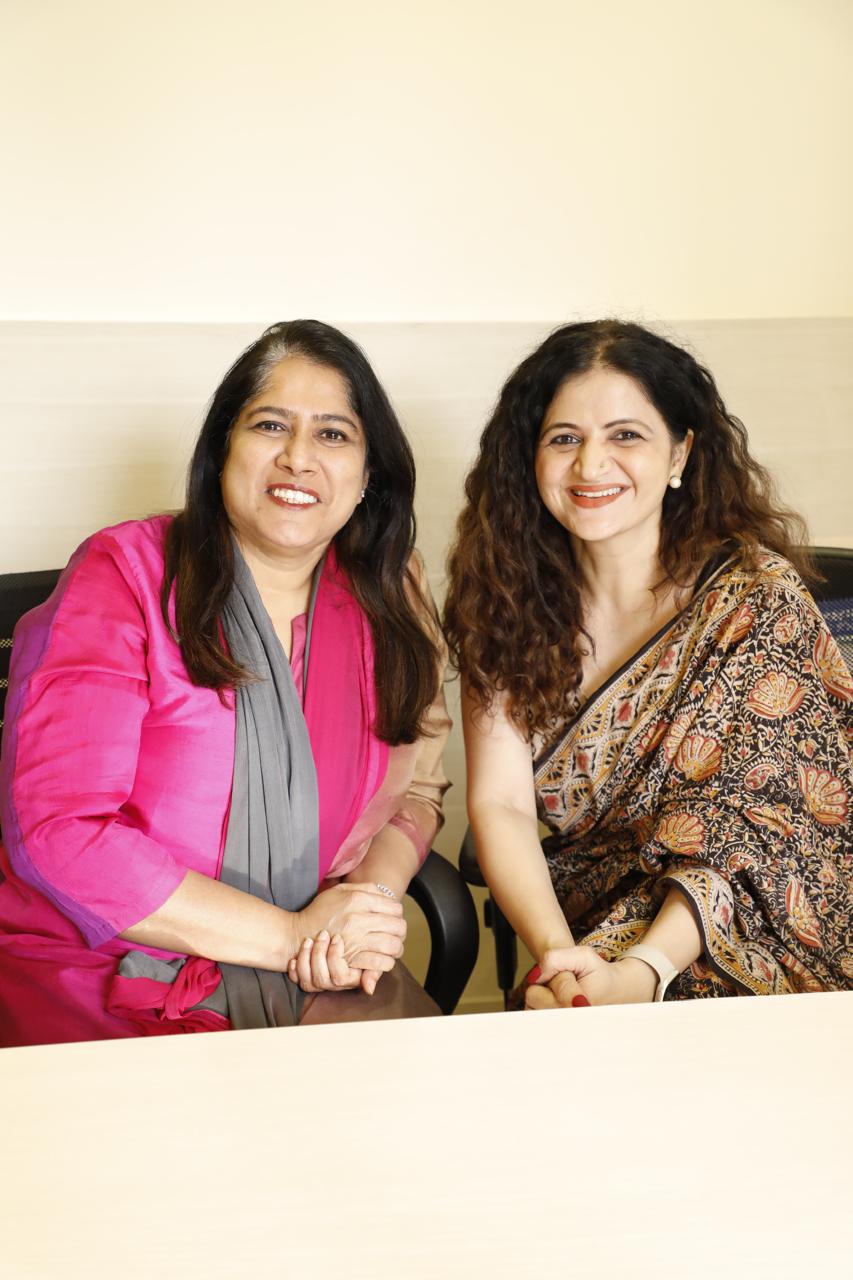
Breast cancer awareness is crucial, and understanding the facts can be lifesaving. Momsleague Global had the privilege of sitting down with Dr. Neeta S. Nair, a renowned Consultant Breast Surgeon at Hinduja Hospital in Mumbai. In this insightful interview, Dr. Nair shares her expertise on breast density, lifestyle factors, and the importance of self-examination. Let's dive into her valuable insights and learn more about breast health.
Momsleague Global: “There is a myth that breast density may put up a higher risk of cancer. Does breast density impact your chance of cancer?”
Dr. Neeta S. Nair: “Breast density is about having more glands or more tissues. Breast density comes from a mammogram. A mammogram is like a negative film in black and white. More white means more glands, and more difficult it is for us to pick up smaller lesions. So, the myth primarily arises from there because we miss lesions in the breast which is dense on mammogram, which requires additional imaging to pick up smaller lesions. It doesn’t always increase the risk of breast cancer.”
Momsleague Global: “How do lifestyle factors of sleep and hormones affect your chances of breast cancer?”
Dr. Neeta S. Nair: “Different lifestyles affect the chance of breast cancer. One is obesity. More fat, more inflammation; higher the risk of breast cancer. It increases your risk as high as 12%. The other thing that impacts is the kind of stress that you put."
Momsleague Global: “There is a myth that breast density may put up a higher risk of cancer. Does breast density impact your chance of cancer?”
Dr. Neeta S. Nair: “Breast density is about having more glands or more tissues. Breast density comes from a mammogram. A mammogram is like a negative film in black and white. More white means more glands, and more difficult it is for us to pick up smaller lesions. So, the myth primarily arises from there because we miss lesions in the breast which is dense on mammogram, which requires additional imaging to pick up smaller lesions. It doesn’t always increase the risk of breast cancer.”
Momsleague Global: “How do lifestyle factors of sleep and hormones affect your chances of breast cancer?”
Dr. Neeta S. Nair: “Different lifestyles affect the chance of breast cancer. One is obesity. More fat, more inflammation; higher the risk of breast cancer. It increases your risk as high as 12%. The other thing that impacts is the kind of stress that you put yourself through; it changes the way hormones circulate in your body and the way your body responds to it.”
Momsleague Global: “What impact does family history have in getting breast cancer? What precautions should one take if they have a family history of breast cancer?”
Dr. Neeta S. Nair: “Only 10% of them are going to be related to family history. Ninety percent of cancer is sporadic. If you have a significant family history, you need to adapt to lifestyle changes and visit your oncologist. You cannot compound two risks and make yourself at a higher risk.”
Momsleague Global: “Doctor, you talked about lifestyle factors, but there is also self-breast examination. How often and when should one do that?”
Dr. Neeta S. Nair: “One should do it every month, lifelong. If you have periods, pick about the 10th day from the start of your period—that is the time your breast is least lumpy and bumpy. For women who have stopped having their periods, pick a day you are going to remember, e.g., your birth date.”
Momsleague Global: “Everybody faces these lumps and bumps. Sometimes they may be alarming, sometimes not. What should one do in such a situation?”
Dr. Neeta S. Nair: “Breast cancer is going to be a painless lump more often than not. Now, how to differentiate between the two is by examining yourself every month. Anything that is new must get investigated. Eight out of ten lumps are going to be nothing, but those two that may be something your doctor may be able to help you with.”
Momsleague Global: “What message would you like to give to our readers?”
Dr. Neeta S. Nair: “Knowledge is power. Power lies in your hands. Create awareness and understand more about breast cancer. Take care of your breast health.”